Beginner’s Guide to Using a Sports Betting Site Safely and Smartly

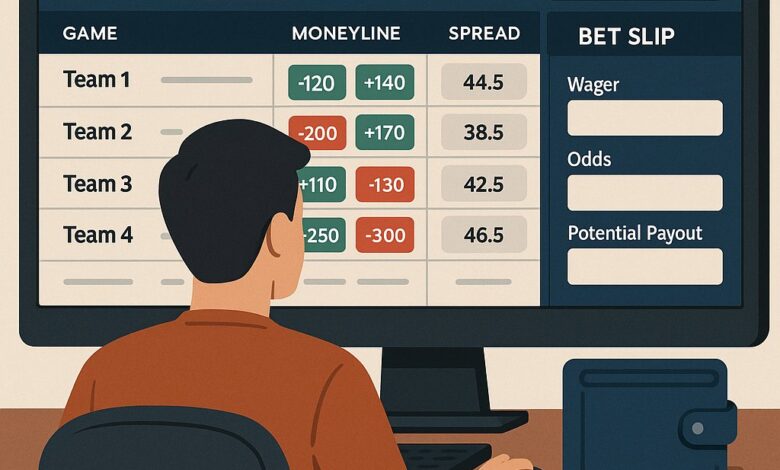
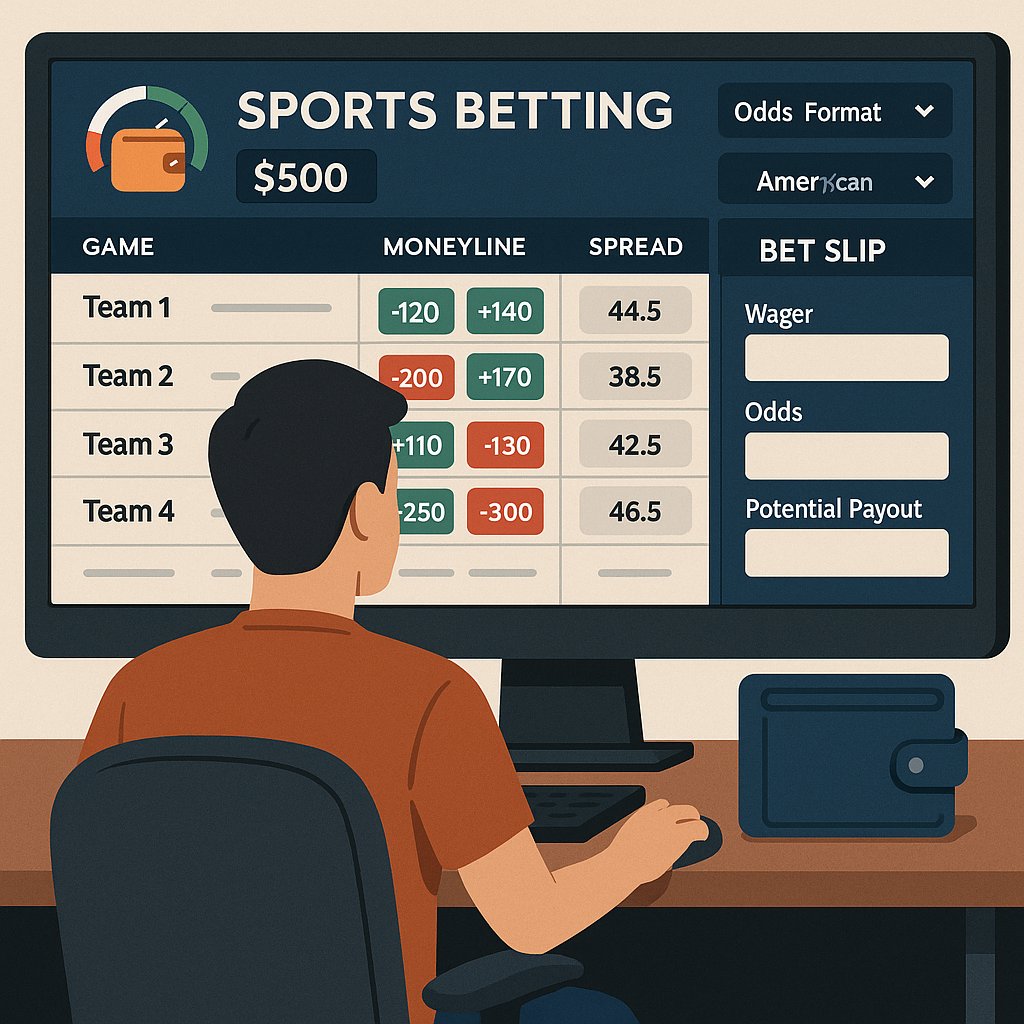
Table of Contents
- Overview: How Modern Sports Betting Sites Work
- Getting Started: Accounts, Deposits and Basic Navigation
- Understanding Core Bet Types and Odds Formats
- Choosing the Best Betting Site for Beginners
- Bankroll Management and Risk Tips for New Bettors
- Conclusion: Start Slow, Learn the Site, Protect Your Bankroll
- FAQ
Overview: How Modern Sports Betting Sites Work
Expert Insight: According to sports betting education site OddsTrader, understanding core wager types—moneyline, prop, spread, and parlay bets—is key to crafting a sound betting strategy, since each involves different risk-reward structures and prediction focuses (https://www.oddstrader.com/betting/university/sports-betting-101/). For example, moneyline bets simply pick a winner using positive odds to show profit on $100 and negative odds to show how much must be staked to win $100. (www.oddstrader.com)
Online sports betting has made it easy to place wagers from your phone or laptop, but the basics are the same everywhere: you open an account, deposit funds, choose your bets, and wait for results. The difference between a good and bad experience usually comes down to the sports betting site you pick and how disciplined you are with your money.
This beginner’s guide focuses on the practical side of using a betting site: what to expect from registration to withdrawal, how to compare platforms, and how to understand core bet types without getting lost in jargon. If you are completely new to online sports betting, read this once before you ever click “Confirm Bet.”
Getting Started: Accounts, Deposits and Basic Navigation
Every legitimate sports betting site follows a similar setup process. Knowing each step in advance will help you avoid mistakes and spot red flags.
- Registration and verification
You will be asked for your name, date of birth, address, email and sometimes the last digits of a government ID. Regulated operators also require identity verification (KYC) before withdrawals. If a site never asks for verification, treat that as a warning sign. - Deposit methods
Most sportsbooks support bank cards, e-wallets, bank transfers and sometimes local payment options. Check fees, minimum and maximum limits, and expected processing times. Avoid depositing more than your planned starting bankroll. - Finding your sport and market
After logging in, you will see a list of sports and leagues. For example, a site like Melbet’s football section lists leagues, matches, and markets (moneyline, totals, props, and more). Learn where live (in-play) markets and pre-match markets are displayed and how to switch between them. - Using the bet slip
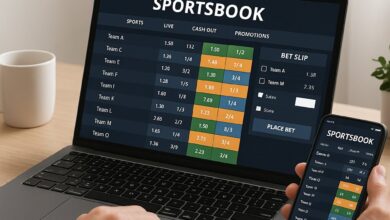
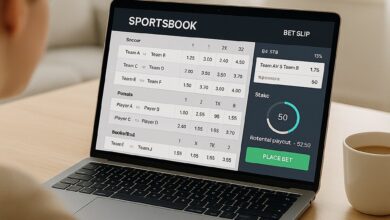
When you click odds, they appear in your bet slip. Here you set your stake, choose single bets, parlays, or system bets, and see potential returns. Always double-check the odds and stake before confirmation, especially on mobile where mis-taps are common. - Withdrawals
Before placing serious bets, check withdrawal rules: minimum withdrawal, processing times, any document requirements, and whether you must use the same method you deposited with. Reliable operators pay out on time and clearly explain their rules.
Spend some time navigating the site without betting. Understanding the interface is just as important as understanding the odds.
Understanding Core Bet Types and Odds Formats
Most beginner mistakes in online sports betting come from misunderstanding how bets and odds work. Once you grasp a few fundamentals, the rest becomes much easier.
- Moneyline bets
A moneyline is a simple “who wins?” bet. In American odds, favorites have negative numbers (e.g., -150) and underdogs have positive numbers (e.g., +200). A -150 favorite means you stake $150 to win $100; a +200 underdog means a $100 stake could win $200. - Point spreads (handicap)
Spread betting is about the margin of victory. If a football team is -3.5, they must win by 4 or more points for your bet to cash. If a team is +3.5, they can win or lose by up to 3 points and your bet still wins. Spreads balance strong and weak teams so odds are closer to even. - Totals (over/under)
Instead of picking a winner, you bet on the combined score. If the total is 2.5 goals and you pick Over, you need 3 or more goals; Under needs 2 or fewer. Totals exist in most sports: points, goals, runs and more. - Props (proposition bets)
Props focus on specific outcomes inside a game: a player’s points, shots, goals, or even first team to score. They are popular with beginners because they often align with how fans already watch games. - Parlays and teasers
A parlay combines two or more selections into one bet. The payout is higher, but every leg must win. A teaser lets you shift point spreads or totals in your favor across multiple legs, but the odds are reduced. Both are riskier than single bets and should be used sparingly by new bettors. - Futures bets
Futures cover long-term outcomes, like a team to win the championship or a player to win MVP. Money is tied up for months, so they should be a small part of your bankroll, not the main focus.
Odds can be shown as fractional, decimal, or American formats. Most betting site interfaces allow you to switch formats in settings. Choose the format you understand best and stick with it to avoid confusion.
Choosing the Best Betting Site for Beginners
Not all sportsbooks are equal. The best betting site for an experienced bettor might not be right for a beginner. Focus on safety, clarity, and ease of use over flashy promotions.
- Licensing and reputation
Only use operators with clear licensing information and a track record of timely payouts. Independent reviews and comparison hubs such as covers-style app guides or review portals help you see how a site performs on mobile, live betting, and support. - Competitive odds and market depth
Look for sites that consistently offer fair odds and a wide selection of sports, including main markets like moneylines and spreads plus props and live markets. A platform such as Melbet’s main line section shows how many events and markets can be available for a single day. - User-friendly design
Clean layouts, simple bet slips, and quick access to live scores are essential for newer players. Confusing navigation leads to accidental stakes and missed opportunities. - Payment options and limits
Check deposit and withdrawal options available in your region. Flexible limits and transparent fees are a sign the operator expects you to manage your money, not chase losses. - Support and responsible gambling tools
Live chat, clear help sections, account limits, self-exclusion options, and reality checks (session pop-ups) are all features you want. They show the site treats betting as entertainment, not a way to pressure users into overspending.
If you want a curated list of trusted brands to start with instead of researching each operator yourself, you can check our recommended choices via this best betting site guide.
Bankroll Management and Risk Tips for New Bettors
Your bankroll is the total amount of money you are prepared to lose on betting without affecting essential expenses. Managing it correctly is more important than picking winners.
- Set a fixed bankroll
Decide on a starting bankroll that you can afford to lose entirely. Treat it like the cost of a season’s entertainment, not an investment. - Use small, consistent stakes
A common beginner guideline is 1–2% of your bankroll per bet. If you have $200, a typical stake would be $2–$4. This approach helps you ride out losing streaks without going broke. - Avoid chasing losses
Doubling or tripling stakes after a loss is a quick path to wiping out your account. Stick to your staking plan regardless of recent results. - Limit complex bets
Parlays, teasers, and long-shot props can be fun but carry higher risk. Keep them to a small fraction of your action until you understand variance and probability better. - Track every bet
Use a simple spreadsheet or notes app to log date, event, bet type, odds, stake, and result. Reviewing this data over time will show which sports and markets you understand best and where you might be overconfident. - Know when to stop
If you feel stressed, emotional, or tempted to go beyond your limits, cash out and take a break. Every reputable sports betting site includes tools to set deposit limits or pause your account—use them if needed.
Disciplined bankroll management turns online sports betting from a potential problem into a controlled hobby.
Conclusion: Start Slow, Learn the Site, Protect Your Bankroll
Successful beginners focus on three things: learning how their chosen betting site works, understanding the basic bet types and odds, and protecting their bankroll with strict limits. You do not need complex strategies or insider information to get started; you need patience, clear rules for yourself, and a trustworthy platform.
Before you place your first wager, create your budget, explore the interface, and practice reading lines and odds. As you gain experience, you can gradually expand to new markets, live betting, and futures. Always remember that even the best betting site cannot guarantee profits—your goal is long-term, sustainable entertainment, not quick wins.
FAQ
Q: How do I know if a sports betting site is safe to use?
A: Check that the site is licensed by a recognized gambling authority and uses HTTPS with up‑to‑date security certificates. Look for clear terms and conditions, responsible gambling tools, and a solid reputation in independent reviews or forums.
Q: What are the most common types of sports bets for beginners?
A: The main beginner-friendly bets are moneyline (who wins), point spread (win by a margin), and totals/over-under (combined score). As you gain experience, you can explore parlays, props, and futures, but starting with the basics helps you learn how odds and payouts work.
Q: How much money should I start with on a sports betting site?
A: Use only money you can comfortably afford to lose and set a fixed starting budget, often called your bankroll. Many beginners start small and stake just 1–5% of their bankroll on each bet to limit risk and avoid going broke quickly.
Q: What do odds mean on a sports betting site?
A: Odds show both how likely an outcome is and how much you can win if your bet is successful. Depending on your region, you might see decimal, fractional, or American odds, but all formats express the same idea: lower odds mean a higher favorite and smaller returns, while higher odds mean a bigger underdog and larger potential payout.
Q: Should beginners use welcome bonuses on sports betting sites?
A: Welcome bonuses can add extra value, but they come with rules like minimum odds and wagering requirements. Always read the bonus terms, treat the offer as a boost rather than free money, and avoid chasing losses just to clear a promotion.