Complete Guide to Online Sports Betting Basics

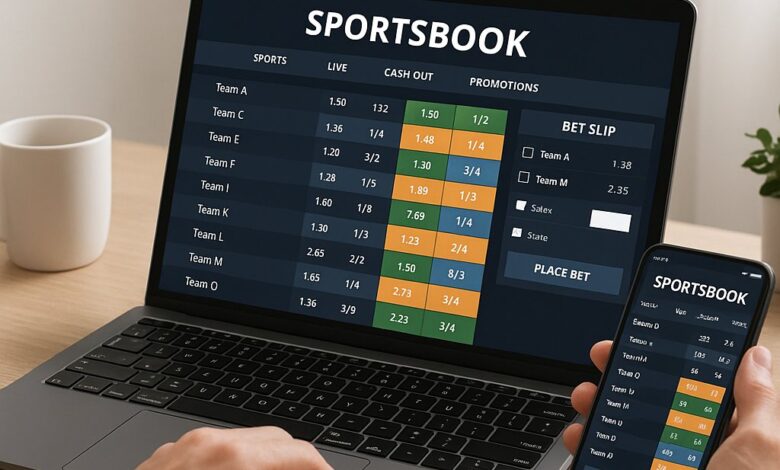
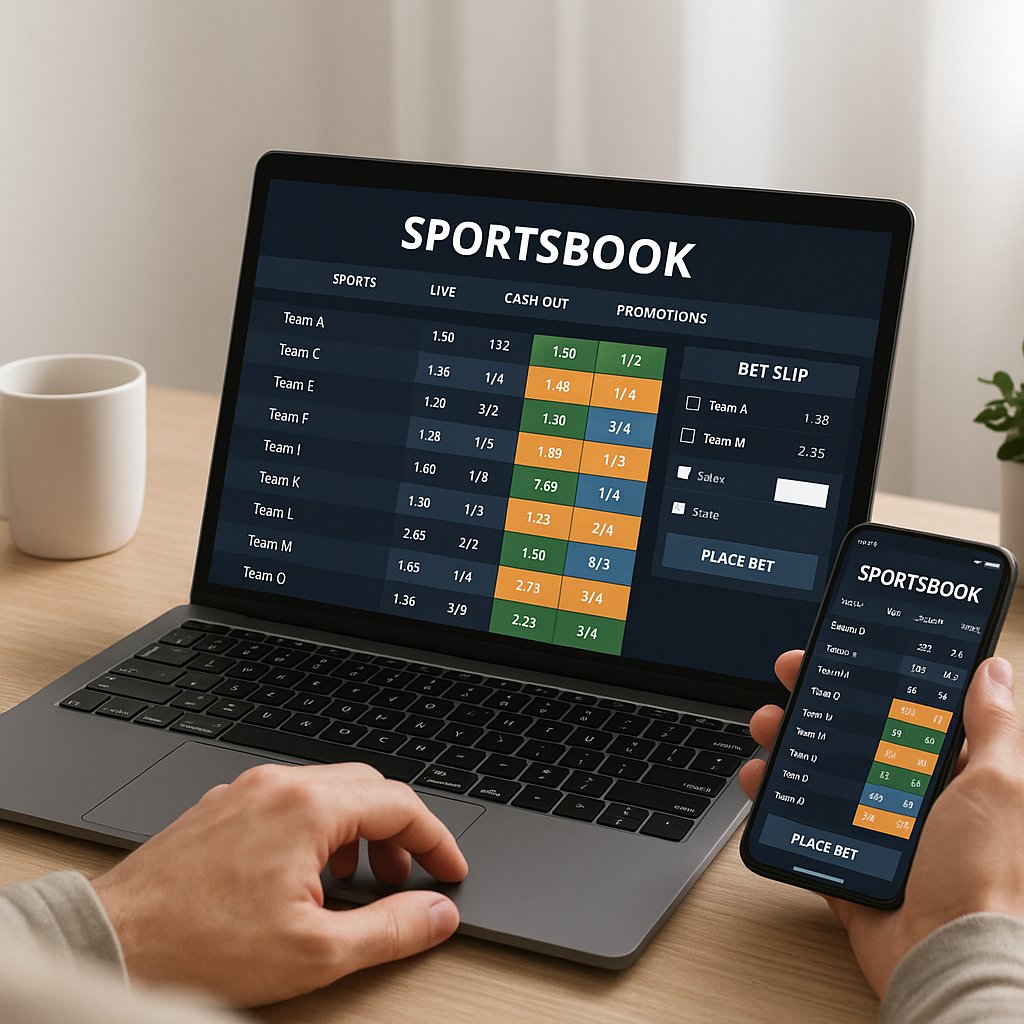
Table of Contents
- Overview: How Online Sports Betting Works Today
- Core Building Blocks: Odds, Markets, and Bet Types
- Picking a Safe Sports Betting Site and Comparing Offers
- Live Betting, Cash-Out, and Sport-Specific Basics
- Bankroll Management and Simple Strategies for Beginners
- Conclusion: Start Smart, Then Grow Your Edge
- FAQ
Overview: How Online Sports Betting Works Today
Expert Insight: According to melbet.com, the MelBet platform combines casinos, slots, various virtual and live gambling games, and especially sports betting, offering thousands of events and quick account setup with multiple deposit options for users worldwide (https://melbet.com/). (melbet.com)
Online sports betting has evolved into a structured, data-driven activity where you can wager on thousands of events from your phone or laptop. Modern bookmakers like MelBet, the brands reviewed on SmartBettingGuide, and expert-reviewed operators on Deadspin betting sites pages all compete to offer deeper markets, sharper odds, and more live features than ever before.
At its core, online sports betting is simple: you pick an outcome, the betting site offers odds, you stake money, and your payout is determined by those odds if you win. The key for beginners is understanding how odds translate into probabilities and payouts, how different bet types work, and how to choose a safe, reliable sports betting site before placing a single wager.
Core Building Blocks: Odds, Markets, and Bet Types
Every online sports betting platform is built around three basic elements: odds, markets, and bet types. Mastering these fundamentals makes it much easier to compare offers and spot value.
1. Odds formats and what they mean
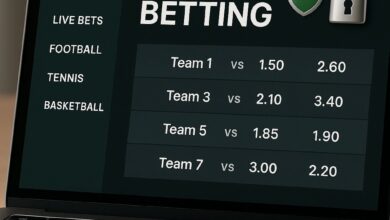
Most global bookmakers let you switch among decimal, fractional, and American odds. They all describe the same underlying probability and payout:
- Decimal odds (common in Europe and many international books like MelBet): show your total return per unit staked. Odds of 2.00 mean a $10 bet returns $20 (your $10 stake + $10 profit).
- Fractional odds (e.g., 5/2): show profit relative to stake. At 5/2, a $10 bet wins $25 profit, $35 total return.
- American odds (e.g., -150, +200): favorites have a minus sign (amount you must bet to win $100), underdogs have a plus sign (profit from a $100 bet).
Sites like the Oddstrader Betting University explain these formats in depth, but as a beginner it is usually easiest to choose decimal odds and stick with them.
2. Markets: what exactly you are betting on
A “market” is the specific outcome you are predicting. Common examples include:
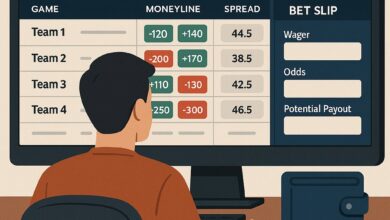
- Moneyline / Match winner: pick which team or player wins the game or match.
- Totals (Over/Under): bet whether combined points, goals, or runs will be over or under a line set by the sportsbook.
- Point spread / Handicap: one side is given a virtual head start or deficit. Your bet needs them to win after that adjustment.
- Props (proposition bets): bets on player or team statistics (e.g., a striker to score, a quarterback’s passing yards).
- Futures: long‑term outcomes, such as a team to win the league or a player to win MVP.
Sports-specific guides, such as Covers on soccer odds, show how these basics apply to each sport’s unique markets.
3. Common bet structures you will see everywhere
On most top operators featured at GamblingSite.com, you will encounter similar structures:
- Single bets: one selection, one outcome. This is the simplest and safest format for beginners.
- Accumulator / Parlay bets: multiple selections combined into one bet, with odds multiplied together. All legs must win for a payout, which means higher potential returns but also higher risk.
- System / multi-way bets: combinations of several selections (like doubles, trebles) that allow some legs to lose while still returning something. These are more complex and worth exploring only after you are comfortable with singles and basic accas.
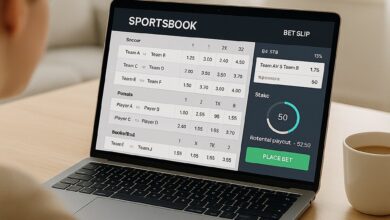
Understanding these building blocks lets you read any betting slip on the top online sports betting platforms without confusion.
Picking a Safe Sports Betting Site and Comparing Offers
Before placing a bet, you need a trustworthy sportsbook. The best betting site for you will be licensed, secure, easy to use, and offer competitive odds on the sports you actually care about.
1. Safety, licensing, and reputation
Use independent resources that focus on vetting operators, such as:
- SmartBettingGuide’s best online sports betting companies list, which benchmarks brands on security and product quality.
- GamblingSite.com’s sports betting sites pages, which analyze licensing, payout speed, and trust factors.
- Deadspin sportsbook reviews, which highlight strengths and weaknesses from an experienced bettor’s perspective.
Look for clear information about licensing (for example, from a respected national regulator), secure payment options, transparent terms and conditions, and a track record of paying out wins quickly.
2. Lines, odds quality, and market depth
Not all bookmakers price events the same way. Subtle differences in odds can add up over time:
- Compare odds on the same match across a few brands spotlighted at GamblingSite.com and Oddstrader.
- Prefer sites that publish early lines and maintain competitive prices on major leagues.
- Ensure your chosen operator offers deep markets in your preferred sports, including player props and live options.
3. Bonuses, promotions, and loyalty value
Welcome bonuses, free bets, and ongoing promotions can increase your bankroll, but they always come with conditions. For example, MelBet is known for a large welcome package, accumulators of the day, and regular reload offers, while other brands highlighted in SmartBettingGuide focus more on free bets and odds boosts.
When comparing offers:
- Read wagering requirements carefully (how many times you must roll over bonus funds).
- Check minimum odds and time limits for using bonus credits or free bets.
- Value ongoing rewards and fair terms more than one huge headline bonus.
4. Features that make betting easier
Top-tier platforms commonly offer:
- Live betting and fast in‑play markets.
- Cash-out tools that let you settle bets early.
- Streaming or live infographics for many matches.
- Stat centers and built-in analytics, similar to MelBet’s detailed statistics and match visualizations.
Once you understand what matters, it becomes easier to identify which operator in any comparison list truly deserves to be called the best betting site for your needs.
Live Betting, Cash-Out, and Sport-Specific Basics
Beyond traditional pre‑match bets, modern online sportsbooks emphasize speed and interactivity. Features like live betting and cash‑out change how you manage risk and react to games in progress.
1. What live betting adds to your options
Live or in‑play betting allows you to wager after a match has started. Operators such as MelBet and the live betting sites highlighted on Deadspin live betting sites pages offer constantly updating odds on:
- Next team to score.
- Updated match winner lines.
- Adjusted totals and spreads.
- Player performance props during the game.
Because odds change with each play, live betting demands quick decisions. Beginners should keep stakes smaller in‑play and avoid chasing early losses, especially in sports with rapid momentum swings like basketball or tennis.
2. Using cash‑out strategically
Many sportsbooks now offer partial or full cash‑out options. This lets you:
- Lock in a profit before the final whistle, if your selection is currently winning but momentum looks shaky.
- Cut losses on a bet that is going badly, recovering part of your stake.
Cash‑out is convenient, but it comes at a price: the sportsbook bakes in a margin. Use it as a risk‑management tool, not a default habit on every ticket.
3. Understanding sport-specific dynamics
Although the basic bet types are similar, each sport has quirks you should know before staking serious money:
- Soccer: low‑scoring, so small events (a red card, penalty, injury) have outsized impact. Guides like Covers soccer betting emphasize studying odds movement and team form.
- Basketball: high‑scoring with frequent lead changes; great for live totals and spreads but requires discipline to avoid over‑betting in‑play swings.
- American football: spreads and totals are heavily influenced by pace, game script, and coaching decisions on fourth downs.
- Baseball and cricket: more data‑driven; starting pitchers or bowlers, weather, and venue conditions dramatically affect totals and win probabilities.
Start with one or two sports you understand well. The more you know about how a game flows, the better you can interpret odds and decide when a price is worth taking.
Bankroll Management and Simple Strategies for Beginners
Even on the most user‑friendly sports betting site, long‑term success depends on how you manage your money and approach strategy. The aim is not just to win individual bets, but to keep your bankroll healthy over hundreds of wagers.
1. Setting up a betting bankroll
Separate your betting funds from everyday finances. Decide an amount you can afford to lose fully and treat it as your bankroll. From there:
- Bet a small, consistent percentage on each play (often 1–3% of bankroll).
- Avoid doubling stakes after losses; this is how small downswings become disasters.
- Track every bet: stake, odds, and result, so you can review performance by sport and bet type.
Resources like the strategy articles at Oddstrader’s strategies section and the practical guides on GamblingSite.com offer frameworks for responsible staking plans.
2. Focusing on value, not just winners
It is easy to confuse “likely outcome” with “good bet.” A bet is only worthwhile if the odds are higher than the true probability you estimate. For example, if you believe a team wins a match 60% of the time, fair odds would be 1.67 (decimal). If a bookmaker offers 1.80, that is value; if it offers 1.50, you are overpaying.
Over time, consistently taking value prices is more important than simply backing heavy favorites. Line comparisons via tools and articles at Oddstrader betting resources can help you identify which operator is pricing a market most generously.
3. Building a basic, disciplined approach
For new bettors, a simple framework can keep emotions in check:
- Specialize in one or two leagues or sports.
- Use single bets almost exclusively at first; treat accumulators as occasional entertainment, not a core strategy.
- Set clear rules for when you will stop betting for the day (for example, after three losses or a specific loss limit).
- Avoid betting when tilted, tired, or intoxicated.
This disciplined approach works on any online sports betting platform, whether you are using a global brand like MelBet or one of the regulated operators reviewed on SmartBettingGuide and GamblingSite.com.
Conclusion: Start Smart, Then Grow Your Edge
Online sports betting is accessible and fast-paced, but the basics are stable: understand odds and markets, pick a reputable betting site, manage your money, and stick to sports you know. From there you can gradually introduce live betting, more advanced markets, and data‑driven strategy.
If you are ready to explore trusted operators, competitive odds, and detailed reviews in one place, visit this sports betting site comparison hub to find the best betting site for your location and preferences. Combine a solid choice of bookmaker with the fundamentals in this guide, and you will be positioned to enjoy online sports betting in a controlled, informed way rather than leaving everything to chance.
FAQ
Q: Is online sports betting legal where I live?
A: Legality depends on your country and sometimes your state or province. Check local gambling laws and look for sites that clearly state which regions they accept players from before you sign up.
Q: How do I know if a sports betting site is safe?
A: Look for a valid license from a recognized gambling authority, HTTPS encryption, and clear terms and conditions. Reputable sites also offer responsible gambling tools and have a solid track record in independent reviews and player forums.
Q: What’s the simplest type of sports bet for beginners?
A: Moneyline bets are usually easiest because you’re just picking who will win the game or match. Start with familiar sports and leagues so you understand the basic rules and how games are decided.
Q: How much money should I set aside for my betting bankroll?
A: Choose an amount you can comfortably afford to lose without affecting your regular expenses. Many beginners start with a small fixed bankroll and stake only 1–5% of it per bet to limit risk.
Q: Can basic strategies really improve my chances in sports betting?
A: Simple strategies help you make more disciplined decisions, even if they can’t guarantee profits. Focusing on specific leagues, shopping for the best odds, and tracking your results over time can gradually improve your edge and reduce costly mistakes.